Turistamonitor Survey - 2025
2025
The opinions of thousands of tourists paint a true picture of Budapest: what they love about it and what needs to be changed. The survey, which involved more than 4,000 people, reveals how visitors make decisions, what kinds of experiences they seek, and in which areas they perceive shortcomings. The Drive.hu article paints a picture of a discerning, experience-oriented tourist.
Turistamonitor Survey - 2025
2025
An article by RendevzényVilág uses the results of the Budapest Tourist Monitor 2025 to show how foreign visitors perceive the capital. The study explores accommodation booking habits, factors influencing restaurant choices, and the most memorable experiences. It also reveals Budapest’s strengths and areas where there is still room for improvement in tourism.
Turistamonitor Survey - 2025
2025
Most foreign tourists come to Budapest for the experiences it offers: cultural programs, the city’s unique atmosphere, and its cuisine are all major draws. Digital platforms are playing an increasingly important role in their decision-making, while they are generally satisfied with the hospitality they receive. At the same time, there is still room for improvement in terms of cleanliness and information, according to an article on 24.hu.
Turistamonitor Survey - 2025
2025
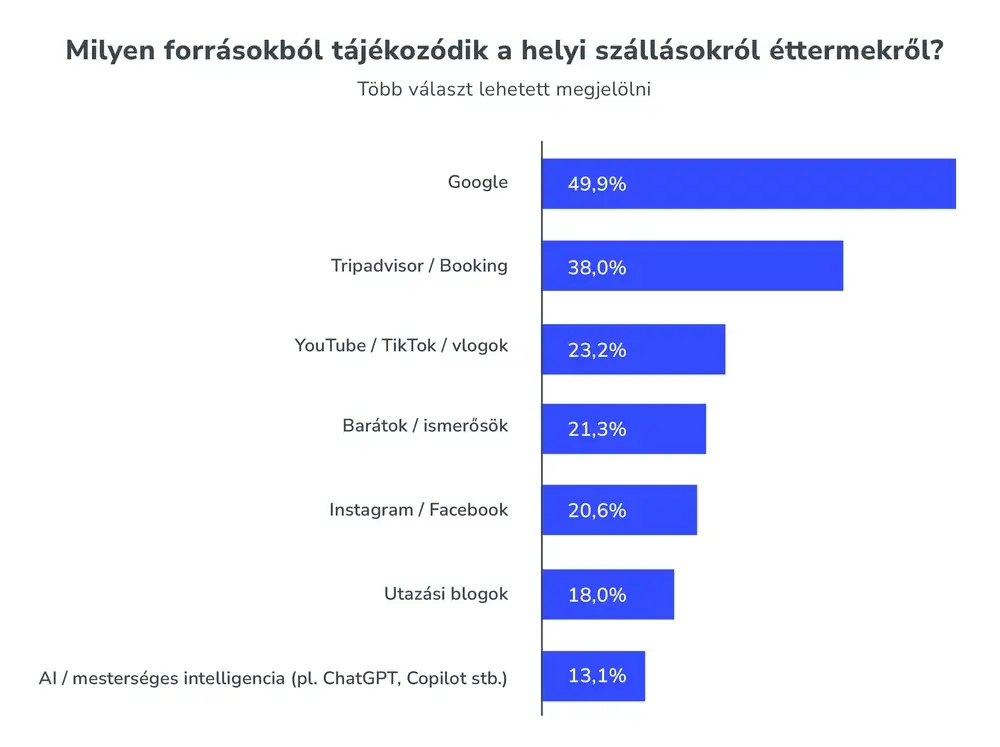
Tourists in Budapest are increasingly relying on online reviews to decide where to eat or stay. Reviews on Google and other platforms play a key role, while visitors are also open to Hungarian flavors and unique culinary experiences. Although the hospitality sector is strong, there is still room for improvement in terms of cleanliness and information, according to an article on mfor.hu.
Turistamonitor Survey - 2025
2025
A city where tourists don’t just look around, but make informed choices: about accommodations, restaurants, and experiences. The Budapest Tourist Monitor 2025 shows how international visitors plan, book, and spend their money, what role online reviews play, and what factors influence their day-to-day decisions. The research also highlights Budapest’s strengths and areas where there is still untapped potential, according to an article in Eseménymenedzser.
Turistamonitor Survey - 2025
2025
Decisions are made over a cup of coffee—and these days, often even before the trip begins. According to the Budapest Tourism Monitor 2025, tourists make their choices based on online reviews, while classic experiences, such as goulash or the Parliament Building, remain key factors. The study also reveals deeper trends: conscious travelers, language expectations, and the small details that shape perceptions of the city all play an important role, according to an article in Kávéház Magazin.
Turistamonitor Survey - 2025
2025
The same research, but from a different perspective: This time, the Budapest Tourism Monitor 2025 not only presents figures but also interprets the trends. How do online reviews affect foot traffic? What does the rise of special diets mean? And why are multilingualism and quick response times key? The article, written by OGH, breaks down the mechanics and opportunities behind the tourism data.
Turistamonitor Survey - 2025
2025
Even a single bad review can determine where a tourist chooses to dine in Budapest. According to a recent study, two-thirds of visitors choose restaurants or accommodations based on online reviews, while they dine out several times a day. Classic Hungarian dishes remain popular, but special dietary needs and a strong digital presence are becoming increasingly important, according to an article by Pénzcentrum.
Turistamonitor Survey - 2025
2025
The fate of a dinner is often decided long before a tourist even arrives in Budapest. Most guests choose a restaurant based on online reviews, while dining out at least once a day. Hungarian cuisine remains appealing, but decisions are increasingly made in the digital space rather than on-site. This shift is highlighted in an article by Hang.
Turistamonitor Survey - 2025
2025
These days, dinner isn’t decided on the street, but much earlier—on a phone screen. Tourists in Budapest are increasingly guided by Google and other review platforms, even as they dine out several times a day. Classic experiences, however, have lost none of their appeal: goulash, chicken paprikash, and the city’s iconic sights continue to attract visitors, while catering to special dietary needs and maintaining a strong digital presence are also becoming increasingly important, as highlighted in an article by Chef&Pincér.
Turistamonitor Survey - 2025
2025
They’re looking for goulash and Google reviews at the same time: Foreign visitors to Budapest no longer have to choose between tradition and digital convenience—they expect both. In addition to authentic experiences, quick online information and good reviews determine where they eat and where they stay. This new type of tourist is both curious and savvy. The Roadster article highlights this duality.
Turistamonitor Survey - 2025
2025
The intersection of tradition and digital decisions is shaping tourism in Budapest today. According to the Budapest Tourism Monitor 2025, foreign visitors continue to come for classic experiences, while their choices are now largely guided by online reviews. In addition to goulash and the Parliament Building, multilingualism, cleanliness, and quick access to information are becoming increasingly important—these factors define the guest experience, according to an article on Turizmus.com.
Turistamonitor Survey - 2025
2025
Not only have the attractions changed, but so has the way decisions are made: tourists coming to Budapest now choose where to eat and where to stay before they even arrive. According to the Budapest Tourism Monitor 2025, online reviews, multilingual communication, and flexible services play a key role, while traditional experiences remain strong. This new balance is shaping the city’s future, writes HelloMagyar.
Turistamonitor Survey - 2025
2025
Foreign tourists arrive in Budapest with increasingly informed expectations, but not all of them are certain they want to return. The Budapest Turistamonitor 2025 shows that 82% is satisfied with the hospitality, especially the friendliness of the staff, while the city remains attractive for its culture and cuisine. However, cleanliness, communication, and access to information are increasingly influencing the experience and the decision to return, as highlighted by Daily News Hungary.
Turistamonitor Survey - 2025
2025
These days, a good dinner isn’t decided on the pedestrian street, but much earlier—in Google’s search results. Two-thirds of tourists in Budapest choose a restaurant based on online reviews, so the success of dining establishments increasingly depends on their digital reputation. Meanwhile, in addition to classic Hungarian flavors, special diets and quick online responses have also become standard expectations—as highlighted in this article on Budappest.hu.
Turistamonitor Survey - 2025
2025
Today, tourists perceive Budapest as having both a traditional and a digital side. According to the Budapest Tourism Monitor 2025, visitors’ decisions are largely shaped by online reviews, while they continue to be drawn to classic experiences and the city’s atmosphere. The friendliness of the staff is a major strength, but multilingualism and quick access to information have become key factors, writes Szeretlek Magyarország.
Turistamonitor Survey - 2025
2025
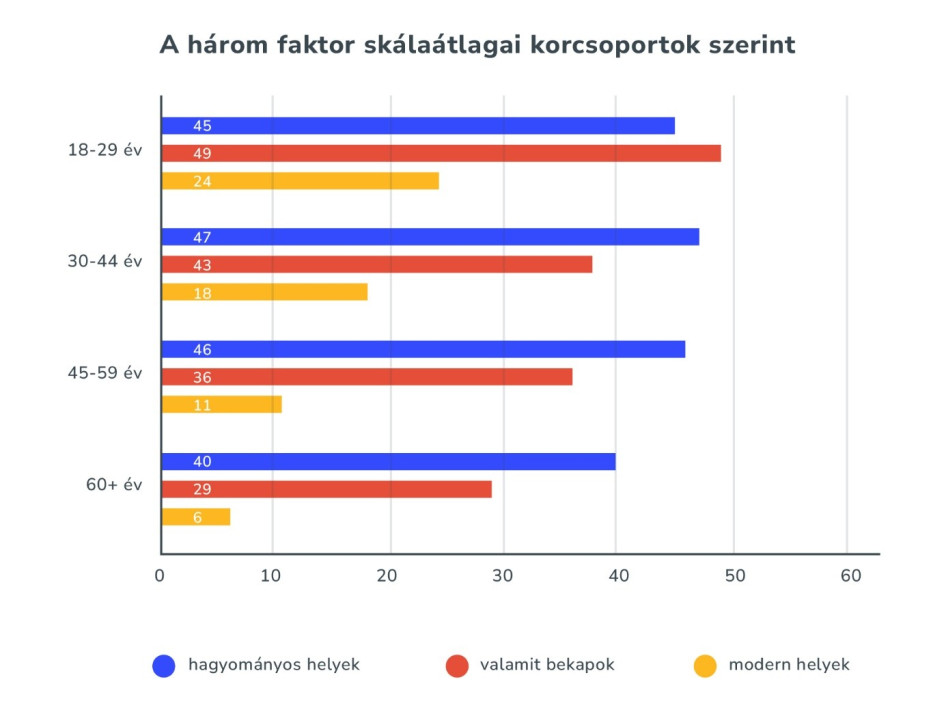
Budapest is both a traditional and modern destination in the eyes of tourists: visitors come for classic Hungarian dishes and iconic sights, while their decisions are increasingly influenced by online reviews. According to the research, guests are also open to new culinary trends, such as special diets, so the city must both preserve its traditions and adapt to new demands—as highlighted in this article from Femina.
Turistamonitor Survey - 2025
2025
Today, tourism is not just about experiences, but also about data-driven decisions. The Budapest Tourism Monitor 2025 highlights that foreign visitors’ choices are increasingly influenced by online reviews and digital platforms, while traditional experiences remain key factors. The research also reveals where there are still untapped opportunities for improving services—as highlighted in an article by Üzleti Hírszerzés.
Turistamonitor Survey - 2025
2025
A bad review can drive customers away these days, while a good one can fill a restaurant to capacity. Tourists in Budapest are increasingly guided by online reviews in their decisions, even as they dine out several times a day in search of classic Hungarian flavors. The challenge: balancing tradition with meeting special requests and responding quickly—this is the point highlighted in the Blikk article.
Gastronomy Research - 2024
2024
Világgazdaság presents one of the most important findings of a representative survey conducted by the Eventrend Group: Hungarian diners consider an average of 8,500 forints to be an acceptable amount to pay for a full restaurant meal. The article also discusses who spends the most on dining out, how income and place of residence influence willingness to spend, and how realistic Hungarian diners find the prices at local restaurants.
Gastronomy Research - 2024
2024
Turizmus.com provides a detailed account of the initial findings of Eventrend Group’s nationwide survey, which reveals how often Hungarians visit dining establishments, what occasions prompt them to go to a restaurant, coffee shops, or pastry shops, and who makes up the most valuable group of experience-seeking guests. The article also presents spending habits and the most important factors in choosing a dining establishment.
Gastronomy Research - 2024
2024
Based on research by the Eventrend Group, “I Love Hungary” shows how Hungarians’ dining-out habits have changed. The article reveals that most people dine out on personal celebrations and when meeting friends, while experience-seeking guests represent the most important target group for premium restaurants. The study also analyzes spending habits and selection criteria.
Gastronomy Research - 2024
2024
Magyar Hang highlights one of the most interesting findings from the Eventrend Group’s research: the most frequent visitors to restaurants and bars are young, higher-income men. The article examines how often different social groups dine out, who is most likely to seek out culinary experiences, and what motivates their choice of dining establishments.
Gastronomy Research - 2024
2024
Mandiner examines one of the most important findings of a representative survey conducted by the Eventrend Group: a psychological price threshold has emerged for Hungarian diners when it comes to restaurant spending. The article examines how much people consider a realistic price for a full meal, who spends more than the average on dining out, and how they view trends in domestic restaurant prices.
Gastronomy Research - 2024
2024
Világgazdaság presents the second part of a study by the Eventrend Group, which found that pastry shops have become Hungarians’ favorite dining venues, surpassing even fine-dining restaurants. The survey highlights that traditional dining establishments continue to hold greater appeal, while modern gastronomic trends cater to a narrower audience.
Gastronomy Research - 2024
2024
Based on the results of a representative survey conducted by the Eventrend Group, Turizmus.com reports that Hungarian guests continue to prefer traditional dining establishments, with pastry shops topping the popularity list. The article also notes that while the majority of guests are eager to try new places and find menus illustrated with photos helpful, they rarely write online reviews.
Gastronomy Research - 2024
2024
Based on research by the Eventrend Group, Helló Magyar reports that among Hungarian guests, pastry shops are the most popular dining venues, while fine-dining restaurants rank at the bottom of the list. The article examines changes in dining habits, trust in traditional establishments, and the more limited appeal of modern culinary trends.
Gastronomy Research - 2024
2024
Based on the results of a representative survey conducted by the Eventrend Group, Pénzcentrum reports that although a significant portion of Hungarians consider prices at dining establishments to be high, they are still not giving up on dining out. The article details the average willingness to spend, the prices guests consider acceptable, and which social groups spend the most on dining out.
Gastronomy Research - 2024
2024
Based on a representative survey by the Eventrend Group, Turizmus Online reports that Hungarian guests are increasingly favoring traditional restaurants and pastry shops, while the popularity of fine-dining restaurants has declined. The article also discusses the rise of gluten-free foods, online research habits, and guests’ willingness to leave reviews.
Gastronomy Research - 2024
2024
Based on the results of a study by the Eventrend Group, Szeretlek Magyarország reports that pastry shops top the list of the most popular dining establishments in Hungary, while traditional restaurants continue to hold strong appeal. The article also notes that while most guests are open to trying new places, they rarely write online reviews, and gluten-free options are becoming increasingly important.
Research on Hospitality Workers - 2019
2019
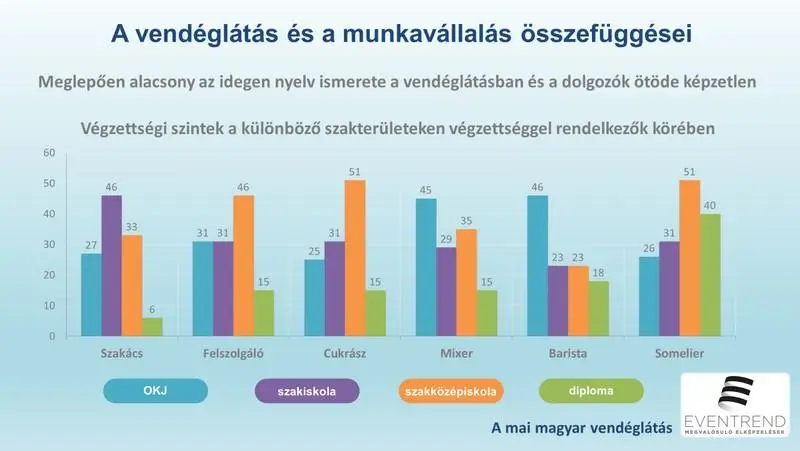
Based on the results of a study by Eventrend Global, Turizmus Online presents an overview of the labor market situation in the Hungarian hospitality industry. According to the survey, nearly one-fifth of hospitality workers perform their jobs without professional certification, while language skills, professional experience, and ongoing training are playing an increasingly important role in the sector. The study also highlights the challenges posed by labor shortages and the need to recruit and train new professionals.
Research on Hospitality Workers - 2019
2019
Based on research by Eventrend Global, Piac & Profit reports that a significant proportion of workers in the Hungarian hospitality industry would be open to working abroad. The article examines intentions to change jobs, opinions regarding wages and career opportunities, as well as the factors that influence the long-term retention of professionals.
Research on Hospitality Workers - 2019
2019
Based on the results of a study by Eventrend Global, the HR Portal provides a comprehensive overview of the situation of workers in the Hungarian hospitality industry. The article examines employees’ qualifications, language skills, job satisfaction, and intentions to change jobs. The survey provides important feedback to employers in the hospitality industry on how to retain skilled workers and enhance their employer brand.
Research on Hospitality Workers - 2019
2019
Based on research by Eventrend Global, HVG reports that more than half of hospitality workers take home a monthly salary of more than 300,000 forints, while chefs continue to earn the most. The article examines the sector’s wage characteristics, employee satisfaction, and the key takeaways regarding the labor market situation in the hospitality industry.
Research on Hospitality Workers - 2019
2019
Based on the results of a study by Eventrend Global, Világgazdaság analyzes wages in the Hungarian hospitality industry. According to the survey, competitive salaries are available in many roles within the sector, particularly for chefs and those in management positions. The article discusses the differences in wages between the capital and the provinces, as well as employee satisfaction and career prospects.
Research on Hospitality Workers - 2019
2019
Trade Magazine, in presenting the results of a study by Eventrend Global, shows that the hospitality industry offers competitive salaries in several job roles compared to other sectors. The article highlights chefs’ exceptional salaries, the profitability of businesses, as well as employee satisfaction and factors important for retaining skilled workers.
Research on Hospitality Workers - 2019
2019
The HR Portal presents the third part of Eventrend Global’s research, which examines the relationship between compensation and employee satisfaction in the hospitality industry. The article highlights the relationship between income, workplace loyalty, and perceptions of career opportunities, as well as the factors that contribute to long-term employee retention.